CHRISTMAS EVE
2 Samuel 7:1-5, 8b-12, 14a,16
Luke 1:67-79
On this last day of Advent the Church lays before us a pivotal text in the Old Testament, 2 Sam 7. Walter Brueggemann describes it as ‘the taproot of the Messianic idea in Israel’.
After successfully bringing the Ark of the Covenant to Jerusalem and putting it in a tent, David now wonders if he should build something much grander. There’s a wordplay at work here. The word for ‘house’ can also mean ‘dynasty.’ The prophet Nathan tells David;
‘The Lord will make you great; and the Lord will make you a House.’
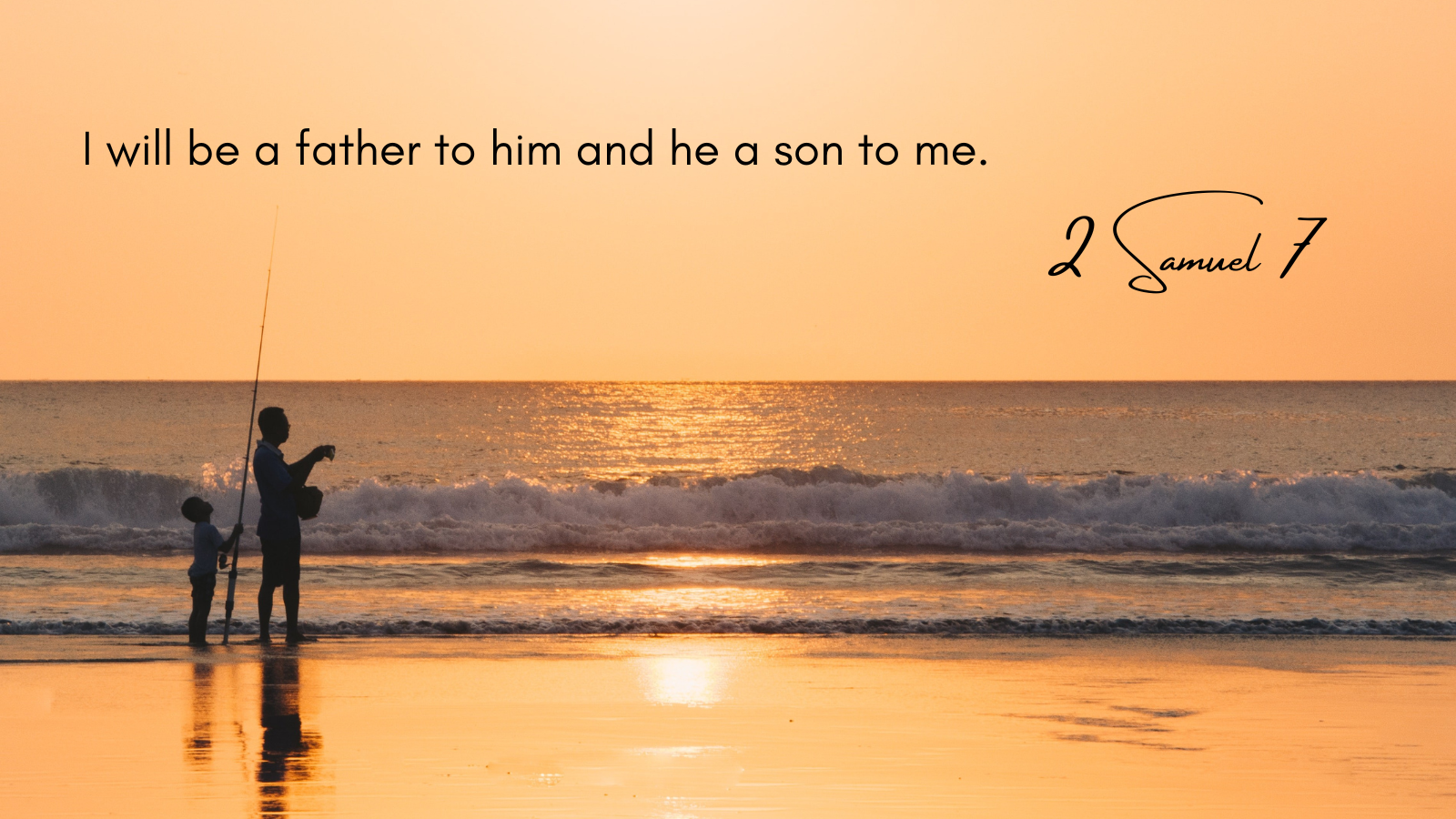
The roles are now reversed as David will no longer need to build God a ‘house’ as God intends to build David a ‘dynasty’. God makes a ground-breaking promise that in the lineage of David his faithful love will be made manifest. Up until this point God’s promises have been conditional, but now the dynasty is guaranteed in perpetuity. None of this is David’s doing. David is to be bound in relationship to the Lord: ‘I will be a father to him and he a son to me.’ The tender language of father and son always strikes me. God’s covenant is not a legal contract, but a relationship of love. As the story of salvation unfolds there are many falls from grace along the way. God’s promise remains.
Our final Gospel text in Advent brings us to the threshold of the fulfilment of all of God’s promises. In the Benedictus Zechariah sings of rescue, salvation and the promise proclaimed by the prophets. His son, John, will prepare the way for the Saviour. All of this is possible ‘by the tender mercy of our God’. Through the desert and exile, through the poor and the easily forgotten, our Advent journey has taken us to the very heart of God.
You may feel your Advent journey hasn’t quite ended and you are not really ready for Christmas to begin. Perhaps your plans have been radically changed and you are left disappointed. Into every situation of your life God is waiting to pour his tender mercy.
Where do you most need God’s mercy this Christmas?