Revelation 7:2-4,9-14
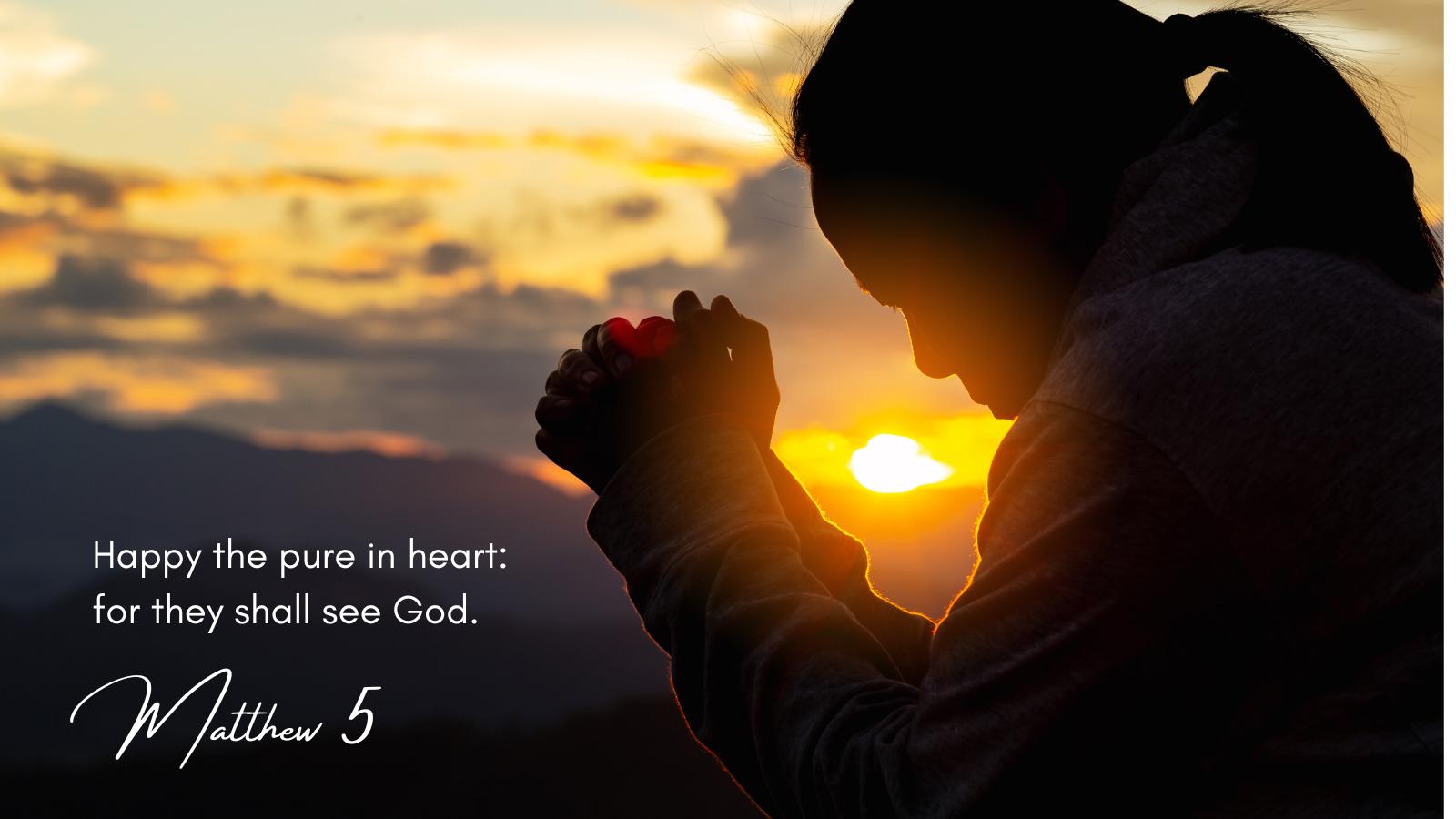
Matthew 5:1-12a
Today, on the Feast of All Saints, the Church invites us to celebrate the mystery and the beauty of life in Christ. In a world where darkness looms and divisions of all kinds threaten us on a local and global level, the Church holds out to us a source of light: Christ, the Saviour of the World. Today we celebrate those who have chosen the Light. Some are remembered by name, others are known only to God. Some have lived extraordinary lives; many have simply lived ordinary lives with extraordinary love. These are people who have lived as Christ lived, these are Beatitudinal people. Our Gospel text of Matthew’s Beatitudes offers us a pattern for our lives and a reassurance of blessing.
Each year when we celebrate this feast, this hymn, written at Stanbrook Abbey, comes into my mind:
We thank you God for all your holy ones
Who sought the trackless footprints of your feet.
Who took into their own a hand unseen
And heard a voice whose silence was complete.
The invitation is the same for us today as it was for our ancestors in the faith. Wherever we find ourselves, we are invited to seek those ‘trackless footprints.’
Searching for God is something which St Benedict did instinctively. His Rule offers us a very human path to holiness. It is a path rooted in the everyday: in prayer and work, in listening and silence, in patience, hospitality and care for one another.
The Rule begins with a simple but demanding invitation: Listen. Listen with the ear of the heart. For holiness begins when we become attentive – attentive to God, attentive to one another and attentive to the quiet voice of grace within us.
There is holiness in doing small things with great love, in being faithful to the task before us, in beginning again when we get things wrong. There is holiness in welcoming the stranger, in caring for the sick, in respecting the elderly, in bearing patiently with one another’s weaknesses.
Perhaps the most reassuring thing about Benedict’s vision is that it makes holiness possible for everyone. We do not need to be perfect. We need to be willing: willing to listen, willing to change, willing to forgive, willing to begin again.
A saint is not someone who never stumbles, but someone who keeps turning towards God.
And so, perhaps the Benedictine way of becoming a saint is simply this:
To listen more deeply.
To love more generously.
To judge less quickly.
To welcome more warmly.
To forgive more readily.
To pray more faithfully.
And to discover Christ in the ordinary moments of every day.
How is Christ calling you to holiness today?